Table of Content
A goblet of Pinot Noir is basically five ounces of dye in a glass, which makes red wine stain removal so difficult. The wine’s color comes from substances in the grape known as chromogens, which are similar to molecules used in dyes. Red wine also contains naturally occurring tannins—substances that are sometimes used to make ink.

Then, use a sponge to dab this mixture onto the wine stain until it's completely gone. Use white wine and baking soda together, if available. Some believe white wine dilutes the color while preventing the stain from setting in .Make a baking soda paste using a 3-1 ratio of baking soda to water. Though hot water sets in some stains, it has proven successful with red wine stains because of its fruit based ingredients.
Red wine stains, dish soap, and hydrogen peroxide
Every editorial product is independently selected, though we may be compensated or receive an affiliate commission if you buy something through our links. Ratings and prices are accurate and items are in stock as of time of publication. Vacuuming is the easiest method of kitty litter removal as the litter can clog drains or add unwanted odors to standing trash cans. Soak the stain with vinegar by pouring directly onto the affected area. But what happens if you don’t have any of these products on hand?
Another product that is highly recommended is Wine Away. This stain remover was specifically created for wine stains on fabric and carpet. Wine Away does not use bleach or phosphates and is derived from fruit and vegetable extracts, making it safe for use around children and pets. This product has been endorsed by many high-profile consumer magazines. If you drink a lot of red wine, Wine Away might be a smart investment.
Baking Soda (and Vinegar)
Pour the water generously over the stained area until it is removed. If the stain is still there later, there are a number of options to try to remove it fully. While a red wine stain will probably be noticeable, a white wine stain may not be.
If the stain has deepened into the fabric, it’s best to send it for professional cleaning right away. Wine stains happen to the best of us — that’s just the risk we take for loving red wine so much. Be it on a tablecloth, a carpet, or your shirt, in the midst of a good time, wine may spill and you may to have to deal with cleaning it up. Alternatively, of course, you can also go to the Washing-up liquid as emergency aid.
Glass cleaner
Red wine does come out of clothes but the stains are notoriously difficult to remove. If possible, treat a wine stain immediately—the older it is, the more stubborn it will be. The good news is that most wine stains can be completely removed, or at least reduced, with common household cleaning solutions. Keep in mind that you should never put a wine-stained fabric in a hot dryer, as the heat will set the stain and make removal almost impossible. There’s nothing more nerve-wracking than sitting on a white couch or mingling at a crowded party with a glass of red wine in your hand.
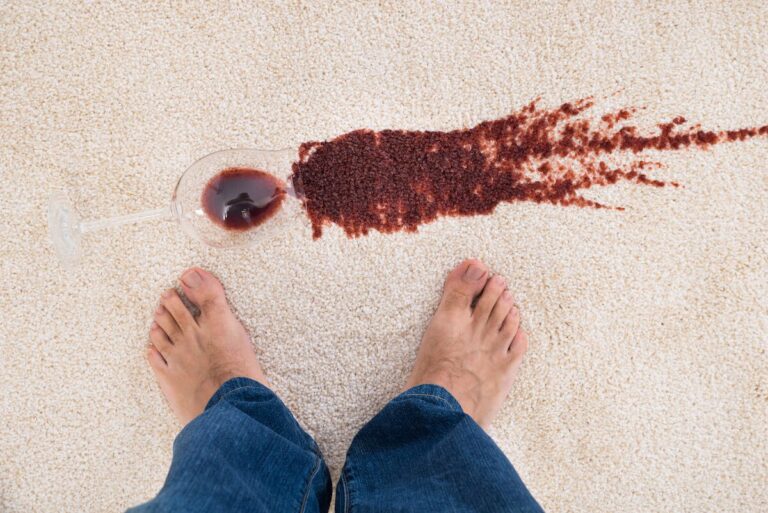
Once the water is ready, you want to follow the procedure above, making sure to blot the stain as you add the water. If your results are unsatisfactory, try another of these cleaning techniques. Because wine stains are stubborn, and fabrics differ in their fiber types and permeability, multiple methods—and repeated steps—may prove more successful than just one attempt. If no other option is available, use boiling water. Once you have a heavy boil going, stretch the stained fabric over a pan in the sink. Stand on a chair and pour the boiling water onto the fabric from 3-4 feet (.9-1.2 meters) above.
Apply Stain Remover
For all kind of stains, red wine and food stains are just a few. Usually you apply the cleaner to the stain, then moisten the stain with a little water and let it work for about 60 minutes before carefully dabbing it off with a damp cloth. The application can vary depending on the product, pay attention to the packaging instructions.
Read on to learn more about how dry cleaners remove red wine stains and some tips for what you can do to help your dry cleaners remove the stains successfully. Once you’ve blotted the stained area with a clean, dry rag, you’ll want to sprinkle salt on the stained area and let it sit there for 2-3 minutes. If the stain isn’t lifting as you would like, you can leave the salt on the spot overnight. Once you’re ready to rinse the site out, you’ll want to use warm water if possible. If the stain has lifted, you can simply let the area dry and vacuum as usual. However, if the spot is still there, you can attempt the removal process until you reach the desired outcome.
However, milk’s thick white consistency can essentially override the red color. Website does claim it’s a powerful solution for fighting tomato, ketchup, coffee, and wine stains. Slowly pour the boiled water over the affected area, which will dilute and loosen the red pigmentation. If there is still some residual color, try one of the other methods on this list until the stain is completely gone. Next, use a sponge, towel, or other clean cloth to absorb the liquid.

To do this, mix a tablespoon of baking powder with 200 milliliters of water to a creamy mass and rub it on the joint with an old toothbrush or cotton swab. After an hour of exposure, you can wipe off the red discoloration from the joints and the baking soda residues with a damp cloth. Start by rubbing a liberal amount of liquid laundry detergent or dish soap on the stained area. Pour a generous amount of club soda over the stain and allow it to sit overnight. Do not replace club soda with seltzer or any other carbonated beverage. While there is no solid scientific evidence supporting the efficacy of club soda, plenty of personal anecdotes insist it works—sometimes.
Home remedies are not always enough for stubborn stains. Sometimes you just have to use the stain remover to completely remove the red wine stain. Sometimes you have to use the stain remover to completely remove the red wine stain.


No comments:
Post a Comment